
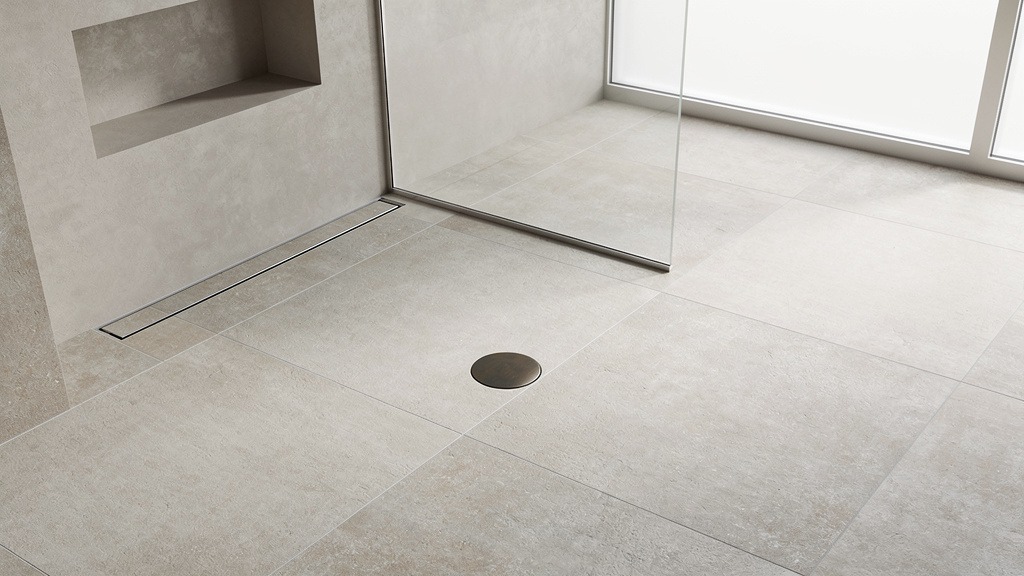
Understanding Different Shower Drain Types
Choosing the right drain type can make or break your entire bathroom renovation. Whether you’re planning a sleek curbless entry or a classic tiled space, the way water moves determines your long-term satisfaction.
Point Drains
A straightforward option where water funnels to a single central collection spot, typically requiring a four-way floor slope.
Linear Drains
Modern channels that run along a wall or entrance, allowing for a seamless single-direction slope and large-format tiles.
Maintenance First
Success depends on accessibility. Removable grates and debris baskets are essential for long-term odor and clog control.
Point drains and square options
Point drains are pretty straightforward. Water heads to one central collection spot. Sure, it’s often smack in the middle, but you can shift it off-center when your floor joists and layout cooperate. A square shower drain fits this category and honestly? It’s easier to line up with most tile patterns. The downside is that everything slopes toward that single point, which affects how you cut tiles and impacts the overall look. Some people love the symmetry. Others find it creates awkward angles.
Linear drains and tile-in styles
Linear shower drains stretch along a wall, sit at the entrance, or run across the back of your shower space. They’re having a moment right now. A tile-in shower drain takes this concept further – you get a removable tile insert that basically makes the drain disappear into your floor. Looks clean, sure, but here’s what nobody tells you: when debris hides under that tile insert, you won’t spot problems until they’re already problems.
Maintenance, clogging, and odor control
Plan for the gross stuff upfront. Pick drains with removable grates, hair catchers, and debris baskets whenever possible. Regular cleaning means popping off the grate or tile insert, pulling out the hair nest (you know there’s always a hair nest), scrubbing away soap scum, rinsing everything clean, then putting it back together. When things start draining slowly or smelling funky, start with the hair trap before calling a plumber.
Linear Drain Versus Center Drain: A Detailed Comparison
This choice comes down to how you want water to move, how your tiles will lay out, and what your shower floor looks like when it’s all said and done. Linear drains create a channel for water flow. Center drains pull everything to one spot. Both work, but they work differently. The right choice fits your framing, matches your waterproofing approach, and aligns with how much maintenance you’ll realistically handle.