
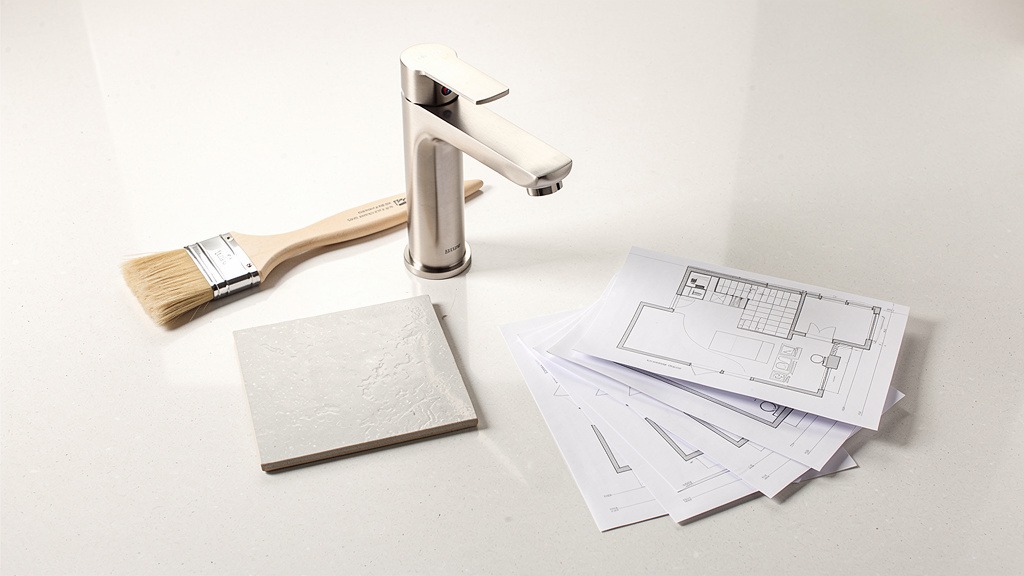
Understanding Average Bathroom Renovation Costs
When you ask, “how much does a bathroom renovation cost,” brace yourself—there’s no magic number I can pull out of thin air. Pricing bounces around like a pinball. A realistic bathroom renovation budget starts with getting brutally honest about scope.
Materials
Vanity, tile, fixtures, lighting, and accessories. This is where premium samples can send your budget into orbit.
Labor
Demo, carpentry, plumbing, and electrical. Your renovation cost gets decided right here in these labor hours.
Contingency
Always budget for nasty surprises like moisture damage or subfloor rot hiding behind your walls.
Realistic Budget vs. Ideal Budget
Your realistic budget covers what the bathroom actually needs to function properly and meet code, plus whatever finishes you can actually get delivered on time. Your ideal budget? That’s where dreams live—upgraded tile, custom storage, and premium fixtures.
The Biggest Factors That Change the Number
-
Square footage: More tile means more waterproofing and more labor hours.
-
Material choices: Basic, mid-grade, or luxury finishes drive your materials budget hard.
-
Work scope: Cosmetic updates cost way less than full guts with new rough-ins.
-
Where you live: Labor and material pricing swings wildly by market.
Detailed Cost Breakdown by Item
A methodical approach makes budgeting less stressful. Every choice needs a spot, an owner, and a clear allowance before you start ordering materials.
Step-by-Step Method to Itemize Your Budget
-
1
Lock the layout first. Keeping plumbing locations (toilet, vanity, tub, shower) where they are reduces plumbing rough-in changes—one of the biggest cost factors.
-
2
List fixtures as separate line items. Include ranges for toilets (basic to smart), vanities (stock to custom), sinks, tubs, and showers.
-
3
Price surfaces by square footage. Split tile choices from setting materials for flooring, wall tile, and countertops.
-
4
Add systems and safety. Lighting fixture count and ventilation sizing should never fall into a “miscellaneous” category.
-
5
Capture demo and disposal. These costs depend on what gets removed and the ease of access for bins and parking.
Plumbing, Labor, and Waterproofing
Plumbing is a major cost driver because it touches multiple trades and inspections. Replacing fixtures where they sit is cheaper than moving your layout.
Plumbing Rough-in
The pipes, valves, and drains inside your walls and floors. Moving these is where costs escalate quickly.
Finish Plumbing
Installing and testing the actual visible fixtures like faucets, shower heads, and toilets.
Waterproofing is Non-Negotiable
Waterproofing protects your home’s structure. Professionals usually price this per square foot, so your shower design directly impacts the final cost. Common systems include:
-
Sheet membranes for consistent coverage.
-
Liquid-applied membranes for complex shapes.
Cost Guidance by Bathroom Type
Small Bathroom or Powder Room
Usually fixture-and-finishes updates. The lowest overall range because there is less tile and flooring, though core trades (plumbing, electrical) still apply.
Guest or Main Bathroom
Typically gets the full gut treatment. Includes more waterproofing and larger surface areas to finish compared to a powder room.
Large or Master Ensuite
The highest range due to more square footage, bigger showers, custom glass work, and double vanities that increase both labor and materials.
Budgeting for Specific Price Points
$5,000 Budget
- Keep existing layout & fixtures
- Focus on paint, lighting, mirrors
- Selective DIY surface updates
$10,000 Budget
- Replace vanity, toilet, fixtures
- Update flooring & some wall tile
- Prioritize wet-zone waterproofing
Key Takeaways for Your Renovation
Define Scope First
A calm budget comes from naming the problem—dated vanity, cracked tile, or moldy grout—before setting numbers.
Lock the Numbers
Confirm selections before demo. Use most popular products first and only upgrade if the allowance permits.
Protect the Invisible
Think of waterproofing like a roof. Skipping it is the fastest way to end up renovating again in five years.