
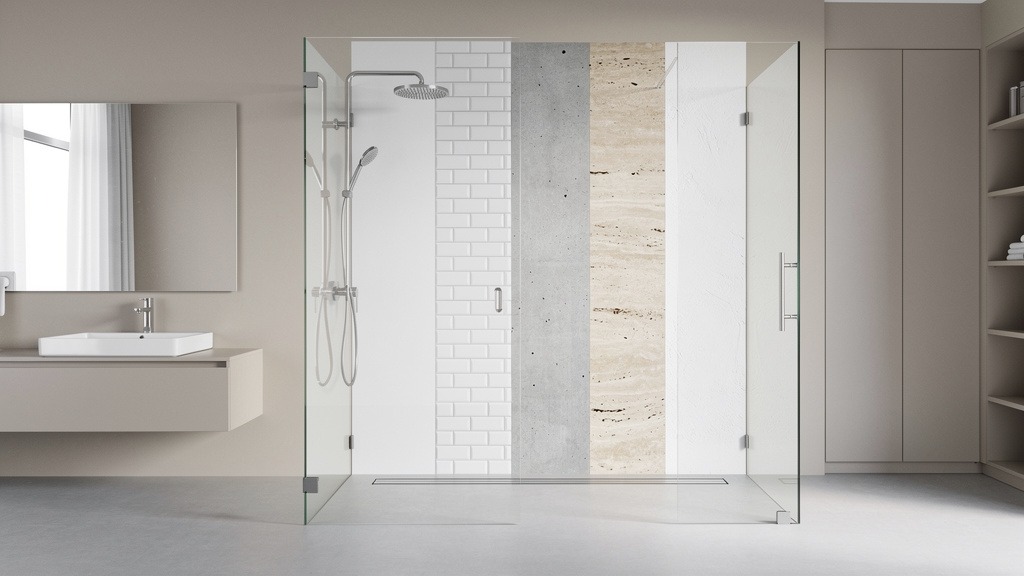
The Core Pillars of a Successful Shower
When it comes to traditional tile shower walls, success isn’t guaranteed just because you picked a high-end material. You have to nail the fundamentals to avoid headaches down the road.
Proper Installation
Tiles are small pieces of ceramic or stone stuck to your wall with adhesive mortar. The layout and setting must be precise.
Bulletproof Waterproofing
The waterproofing layer behind the tile is where most DIY dreams go to die. It is the true foundation of your shower.
Grout Maintenance
Grout lines aren’t just decoration; they are your biggest ongoing relationship in a tile shower.
Understanding Traditional Tile Shower Walls
Look, when it comes to shower walls, ceramic and porcelain tiles have been the gold standard for decades. But here’s the thing: success isn’t guaranteed just because you picked tile.
You’ve got to nail three things: proper installation, bulletproof waterproofing, and staying on top of grout maintenance. Miss any of those? You’re setting yourself up for headaches down the road.
What we’re actually talking about here
Shower tiles are basically small pieces of ceramic, porcelain, or natural stone that get stuck to your wall with adhesive mortar. The whole thing sits on top of a waterproofed surface – and that waterproofing part? That’s where most DIY dreams go to die.
Those lines between tiles aren’t just decoration. They’re grout, and honestly, they’re going to be your biggest ongoing relationship.
Why people keep choosing tile anyway
Three reasons that actually matter to homeowners:
-
Design freedom that’s basically unlimited – want a herringbone pattern with glass accent strips? Tile can do that.
-
Durability that’s genuinely impressive when everything’s installed correctly.
The stuff nobody mentions until it’s too late
The tile itself isn’t usually the problem. It’s everything around it that’ll drive you nuts. Grout maintenance is real. Speaking of grout lines – they’re basically mold and mildew magnets if your bathroom doesn’t ventilate well or if you skip weekly cleaning. And once discoloration sets in? Good luck getting it back to that original color.
Exploring Acrylic and Panel Shower Systems
Acrylic shower systems are basically the “easy button” for shower walls. No grout lines to scrub, no resealing schedule to remember, no wondering if that dark spot in the corner is just soap residue or something worse. For a lot of homeowners, that simplicity trumps everything else.
The Benefits
- Cleaning becomes stupidly simple – spray, wipe, done.
- No grout means no mold colonies setting up shop.
- Your renovation budget breathes a little easier.
The Trade-offs
- Color and pattern options feel limited compared to tile.
- Some finishes have that unmistakable “plastic” look.
- Scratches happen, and when they do, they’re permanent.
Panel systems that try to split the difference
Shower panels are like acrylic’s more sophisticated cousin. You get large, interlocking pieces that cover your shower walls with minimal seams. Materials range from basic acrylic to engineered stone composites, PVC, and high-end laminates that mimic natural stone surprisingly well.
Porcelain Versus Ceramic Tile for Shower Walls
Porcelain usually gets treated as ceramic’s premium older sibling. The manufacturing process is more refined, the firing temperature runs hotter, and the end result typically handles moisture better. But honestly? Both can work great in a shower if you pick the right grade and install them properly.
Side-by-side comparison for real-world use
Porcelain Tile
Best for: Walls and floors. Excellent moisture resistance and convincing stone looks. Higher material costs and tougher to cut.
Ceramic Tile
Best for: Mostly walls. Budget-friendly with solid design variety. More variation in moisture ratings between products.
Acrylic Panels
Best for: Walls only. Minimal maintenance and fast cleaning. Limited design choices and can show scratches.
Understanding your plumbing is also key, such as the difference between a thermostatic vs pressure-balancing valve.
Maintenance that actually prevents problems
Choosing shower materials based only on appearance is like buying a car based on the paint color. The smarter approach is picking materials that align with your cleaning habits and budget reality.
-
1
Daily Care: Squeegee or towel-dry the walls. This one habit prevents most moisture-related issues and soap scum buildup.
-
2
Weekly Cleaning: Use a pH-neutral cleaner and focus on corners where residue builds up.
-
3
Long-term Inspection: Plan for grout resealing if you have tile, or inspect caulked seams annually for panels and acrylic.
Frequently Asked Questions
What is the new trend in showers?
What are the disadvantages of acrylic showers?
Is a tile shower base better than acrylic?
Answering ‘What tiles to avoid in a shower?’
Avoid tiles that either trap moisture and soap residue or create too many maintenance headaches through excessive grout lines. Use this as your practical “avoid” filter:
-
Highly porous natural stone: Travertine or marble require ongoing sealing schedules.
-
Tiny mosaics: More individual pieces mean more grout lines to scrub.
-
Heavily textured tiles: Deep grooves trap soap residue, making cleaning difficult.